An agent has collected the condominium records. How do those records lead to a realistic price and a well-prepared showing? I devoted the second part of my February 20, 2024 Etikus Ingatlanosok training to this practical work. Here I revisit the steps from gathering information through discussing price with the seller to informing the buyer.
The Harder Work Begins After Collecting the Information
“How do we evaluate the information we have obtained?”
From Slide 3 of the Original Presentation.
That was one of the questions in the sales preparation section. Having documents does not mean an agent understands their implications for the transaction. They must recognize information that reveals an existing obligation, calls for further investigation, or leaves a gap in what is needed for a decision.
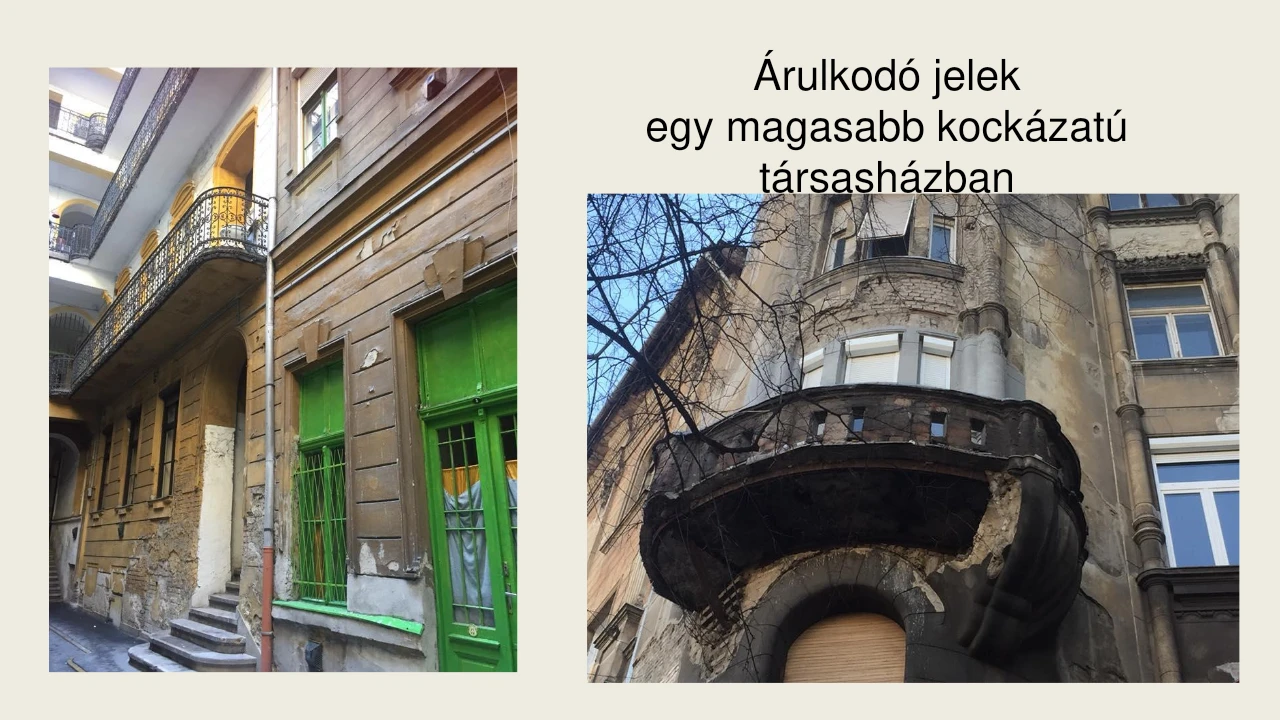
Visible technical signs can guide the questions. After noticing a damaged surface or aging structure, ask whether an assessment exists, whether an intervention has been approved, and how it will be financed. The agent needs to recognize the need for investigation; assessing structural condition is a qualified specialist’s task.
The Agent Must Be Able to Discuss Price With the Seller
“Convincing sellers of the importance of realistic pricing.”
From Slide 3 of the Original Presentation.
I set aside time for this during training. Owners understandably focus on their own renovations, memories, and sales goals. Agents need to bring condominium circumstances that buyers will encounter into the pricing discussion. Specific information is more useful than a general statement that the building is good or bad.
For example, if the records include an approved special assessment, it should be clarified during pricing and offer evaluation. The amount, due date, and contractual allocation are separate issues. An agent can prepare the information, while the parties should settle their agreement with their legal representatives.
The Property Information File Also Structures the Conversation
In the presentation, the SzIM Property File was a sales preparation tool. Apartment and building information should distinguish documented facts, plans, and open questions. The sources and date of the file should be identifiable too.
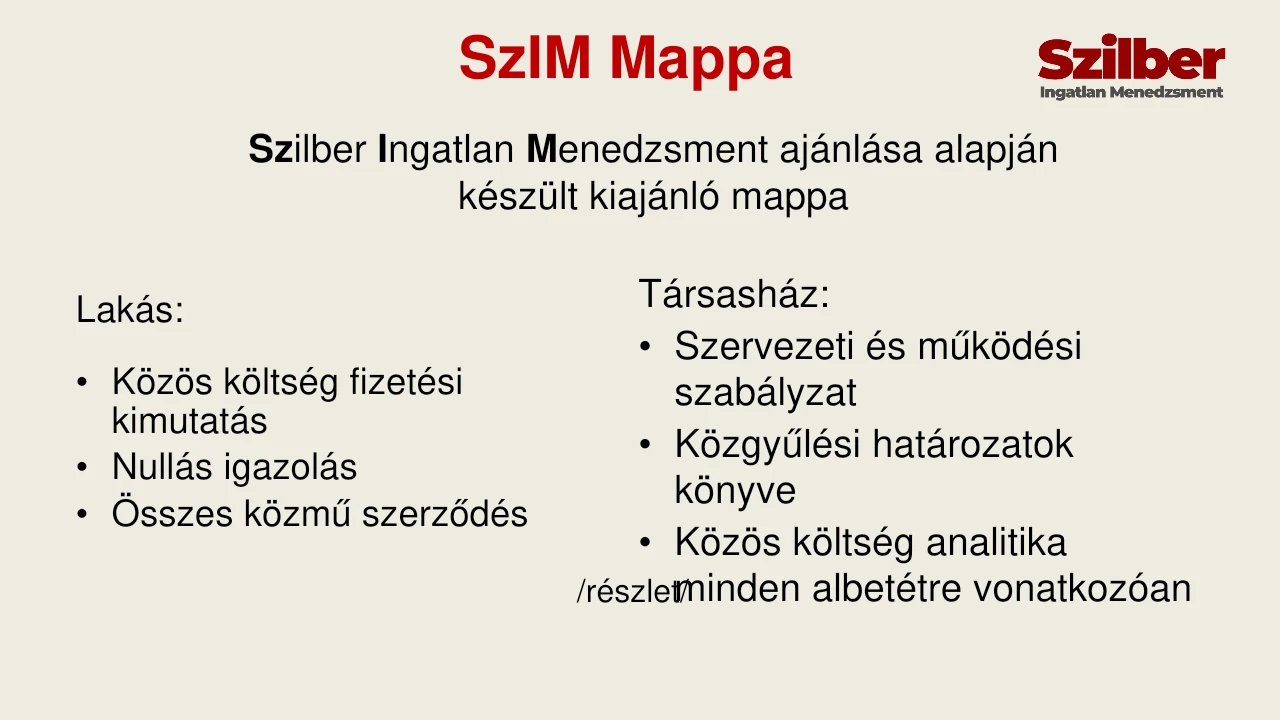
Buyers can then ask more targeted questions. Sellers have an early opportunity to obtain a missing record or clarify a misunderstanding. Unanswered questions can be identified as such. Uncertain information should not become a firm promise.
Where Will the Time Come From?
“How will I find time to obtain so many documents?”
From Slide 3 of the Original Presentation.
I included this very real question on the slide. Prepared work takes time, so information gathering needs to become a planned process. At the outset, clarify the client’s cooperation, required authorizations, available records, and who will obtain missing items.
The training also covered screening and professional limits. If a material obstacle cannot be clarified, an agent must consider the conditions under which proceeding would be responsible. Part of professional value is recognizing when another specialist is needed or a promise cannot be made.
Thank you to Viktória Sándor and Gábor Kirsch for making space for questions that directly affect daily work. In the Etikus Ingatlanosok community, colleagues share solutions as allies. I value this approach to strengthening the profession.
Source of the Quotations
This article draws on selected parts of my February 20, 2024 presentation. The source and slide number of each quotation are identified separately. The slides come from the original material. Learn more about the professional community on the Etikus Ingatlanos Website .
← Back to Professional Insights