The Budapest Chamber of Commerce and Industry announced a “Better Condominiums for Hungary” professional workshopseeking proposals on legislative change, registration and training, renovation and funding, business cooperation, legal disputes, and chamber services. I have worked with communities of owners for 14 years. In my experience, a legal framework and proven professional tools already exist for most tasks. The question is whether the people involved know and consistently apply them.

Targeted Legislation and Precisely Defined Problems
The Condominium Act was adopted in 2003 and has been amended several times. The passage of time alone does not explain deferred maintenance, poorly prepared decisions, or owners’ resolutions that were never implemented. An amendment is justified where a specific provision can be identified as creating uncertaintyand the issue cannot be resolved through the condominium deed, organizational and operational rules, or an owners’ resolution. Every proposal should include a brief impact assessment: who is affected, what burdens it creates, and what it simplifies. Clear procedures for electronic voting and digital document management are a genuine gap. The Act already allows online owners’ meetings, but an implementing decree would help make that option practical.
Registration and Training
Condominium accounting software began spreading about 15 years ago. Dedicated administration systems now operate as well, and Szilber Házak’s HázÜgyvitel builds on such modules. A system serves owners when the records are accurate, each case has a responsible person and a deadline, and administration continues when a representative changes. Digitalization has not yet begun in some buildings and is a basic expectation in others. Service levels range from the legal minimum to increasingly complex building operations and even organizing hotel-level services. Owners’ expectations vary widely, and the market is becoming more segmented.
The 240–360-hour condominium management course is an important entry requirement. In my view, it should be followed by mentored professional practice, and regular mandatory continuing education and minimum ethical standards.
Informing owners matters just as much: they need to understand the consequences of decisions and delays.
Renovation Based on a Plan and Funding
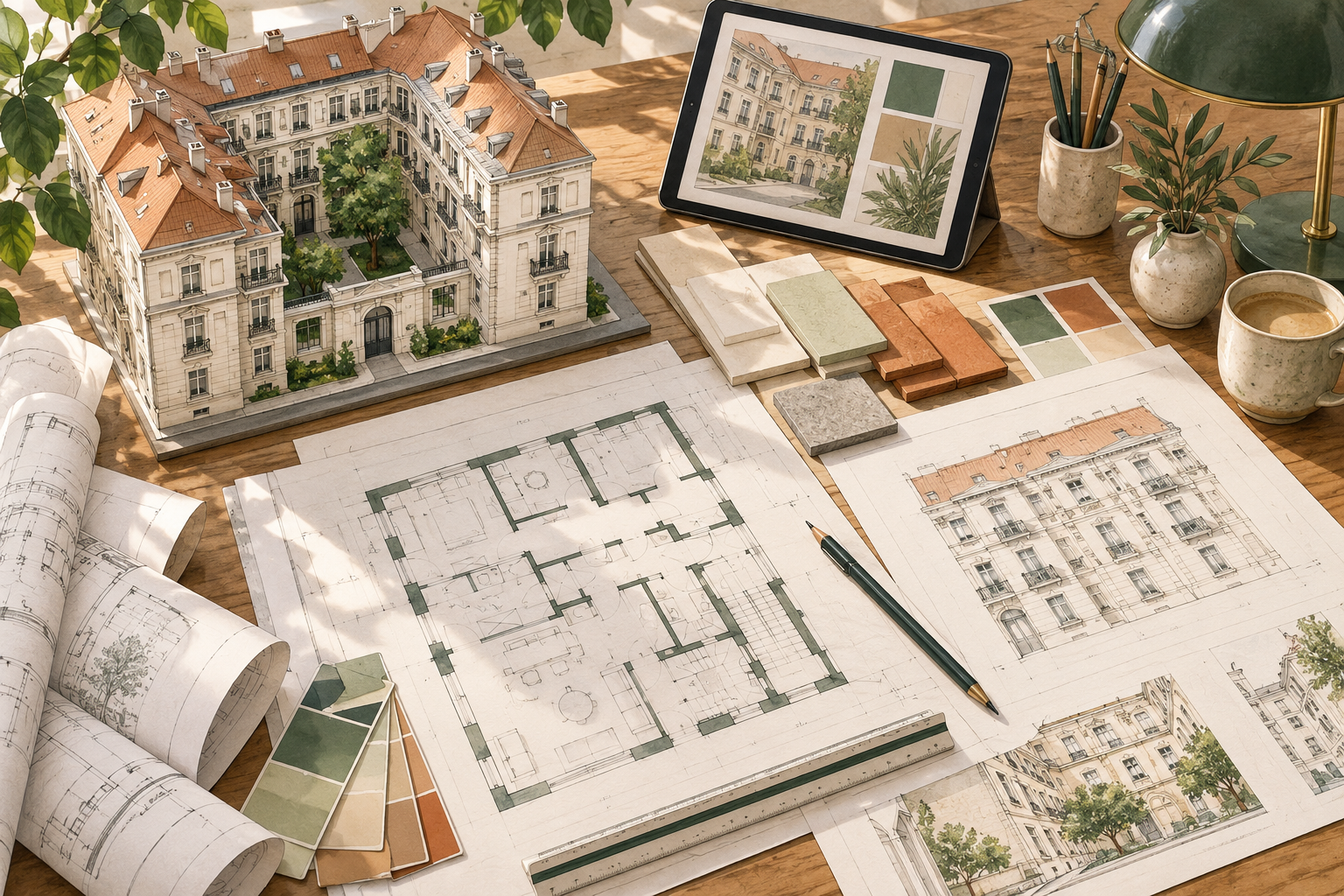
In older buildings, accumulated work can amount to hundreds of millions of forints. The first step is a condition assessment, which I believe should be mandatory, following the model of periodic electrical safety inspections . The resulting multiyear renovation and funding plans should be treated as a separate projectand prepared with qualified specialists. Work of this scale requires additional time and expertise, so professionals cannot reasonably be expected to include it in an already undervalued monthly fee for routine administration.
The owners’ meeting should review completed plans every year. Renovation reserves, loans, grants, and insurance serve different purposesand cannot replace one another. A free assessment tool is the SzIM társasházi minőség villám index, which considers physical, financial, legal, and management factors together and identifies the next steps in decision preparation. Annual self-assessment shows whether the building is improving or deteriorating, with consequences for the value of the properties within it.
Business Cooperation and Dispute Prevention
Representatives and Contractors Working for the Building Community
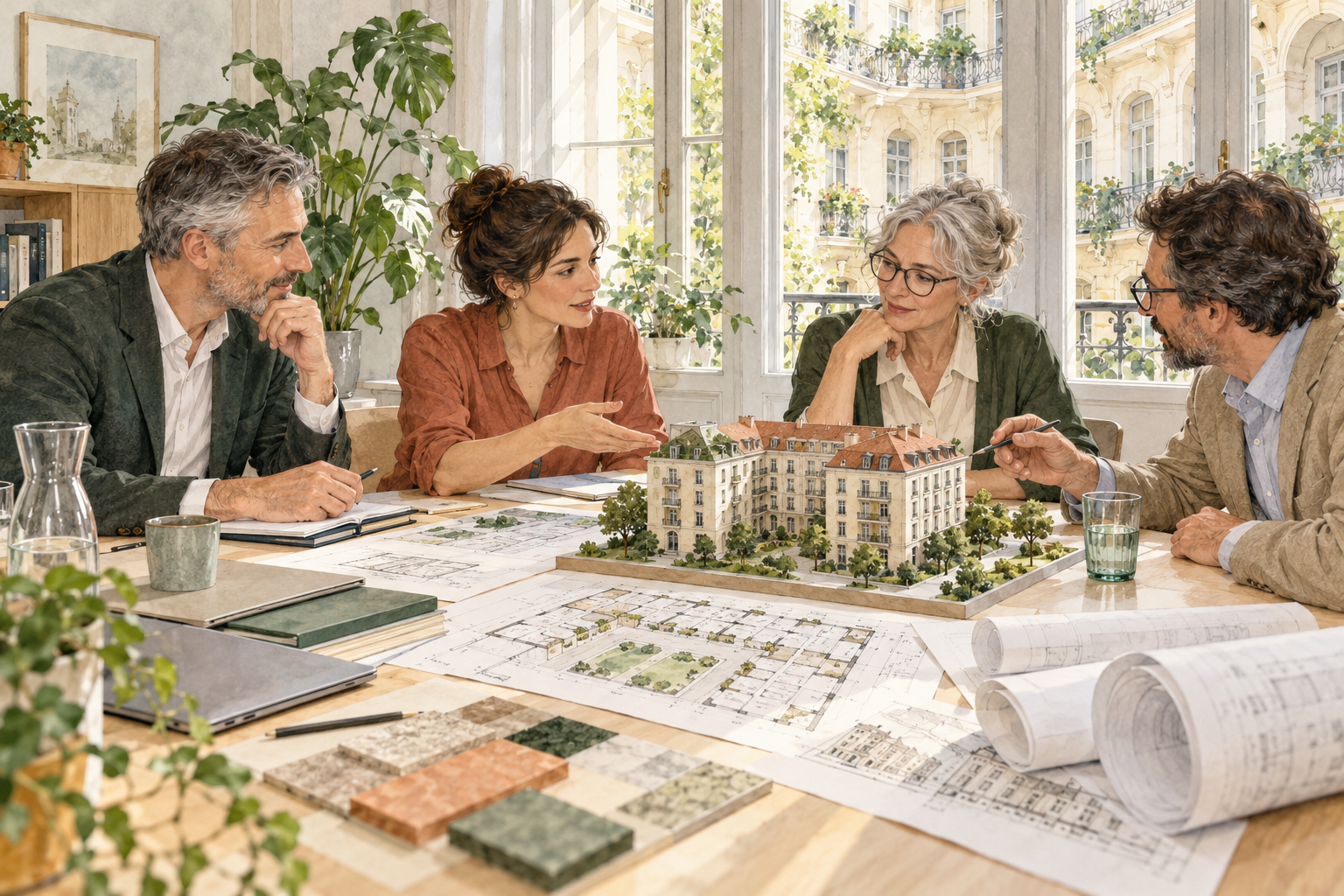
When a condominium seeks proposals for a representative, in most cases we do not encounter clearly defined owner expectations. Candidates propose their own familiar service model, and disappointment follows when owners discover it was not what they had in mind.
That helps neither side. The first six to 12 months after taking over a building require substantially more time and energy. Addressing years or decades of backlogs adds further work and responsibility. If the original proposal excluded that work and project-based or hourly billing is unavailable, the provider may have to slow the process to match the capacity originally agreed.
A different pricing approach could provide a solution: additional fees for tasks beyond routine operations. Why should a building’s physical condition be the representative’s business risk? The additional damage and work caused by burst pipes, storms, or apartment renovation contractors cannot be predicted precisely in advance.
Owners may reasonably expect a 24/7 emergency service and a response to unexpected situations if that responsibility and additional working time receive fair compensation.
Disputes between owners and representatives typically develop over months: an unanswered report becomes a larger technical problem, or an imprecise resolution and approved budget produce an outcome different from owners’ expectations.
Documented case management with deadlines can prevent these conflicts, while mediation can often resolve them faster than court proceedings.
Whether for representation, operations, or renovation, proposals should be requested for the same scope of work. The contract should define the task, deadline, warranty, and technical handover process.
Disputes tend to arise when these foundations are missing, rather than when they have been carefully considered and documented. The more superficial and undocumented the preparation, the more likely disappointment and financial loss become.
What Can the Chamber Do?
As in the accounting profession, mandatory continuing education would offer a way to understand changes and put them into practice.
Legislation provides the framework. The chamber could help interpret it and provide practical assistance. Representatives manage the specialists who bring proposals, while communities of owners make and finance the decisions. Implemented decisions and carefully organized work improve a condominium’s condition.
Instead of waiting for a new uniform law, we should understand and apply the current, much-amended law as effectively as possible. If everyone contributes, the existing framework can support calmer communities that plan ahead, better-maintained buildings, and more orderly condominium operations: in other words, better condominiums.
I would like professionals in our field to see one another as allies. More than 122,000 condominiums and communities rely on us to support the value of one of their largest assets, their home, with expertise, care, and ethical conduct, while helping preserve peace at home.
We need everyone’s best efforts, because improving condominiums is an individual and collective responsibility and a matter of national economic interest.
← Back to Professional Insights