Completed work in a condominium is visible. The circumstances behind work left undone are less obvious. In my April 9, 2019 presentation for Etikus Ingatlanosok, I asked how we can recognize careful management. I am revisiting that section because an agent needs to assess the quality of operations as well as inspect the building and its records.
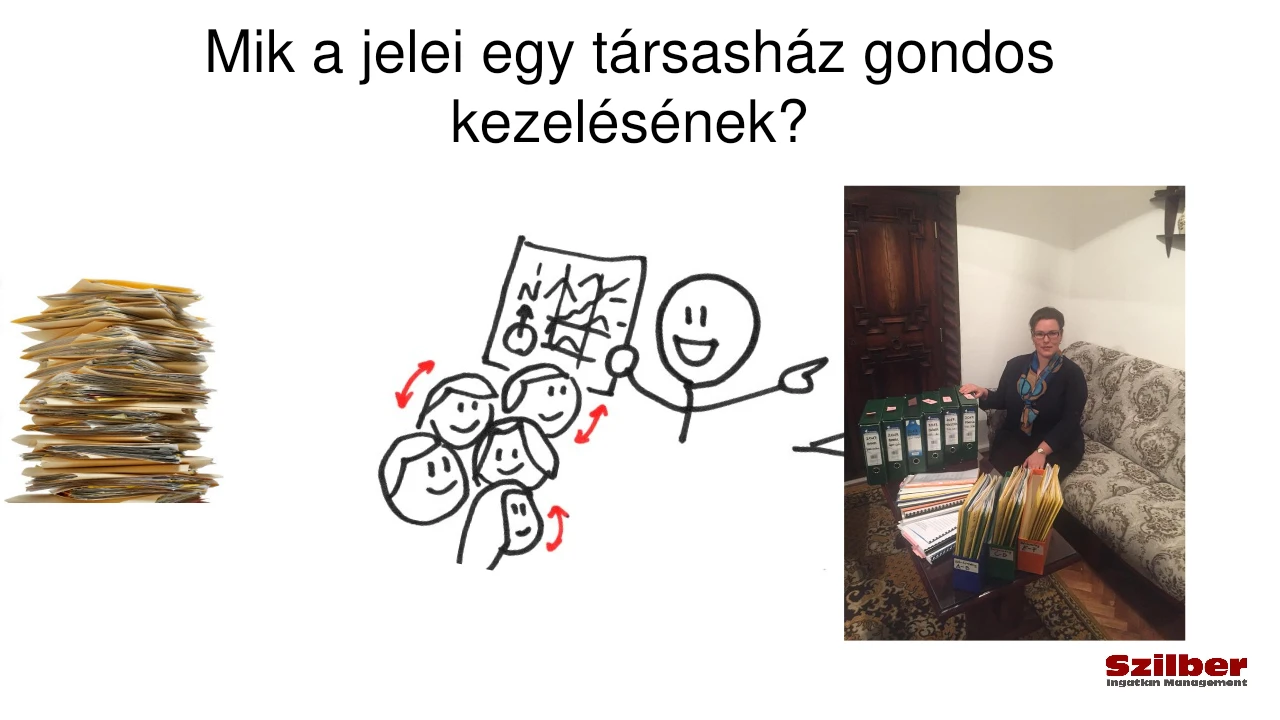
“What are the signs of careful condominium management?”
From Slide 10 of the Original Presentation.
A Building’s Condition Has an Operational History
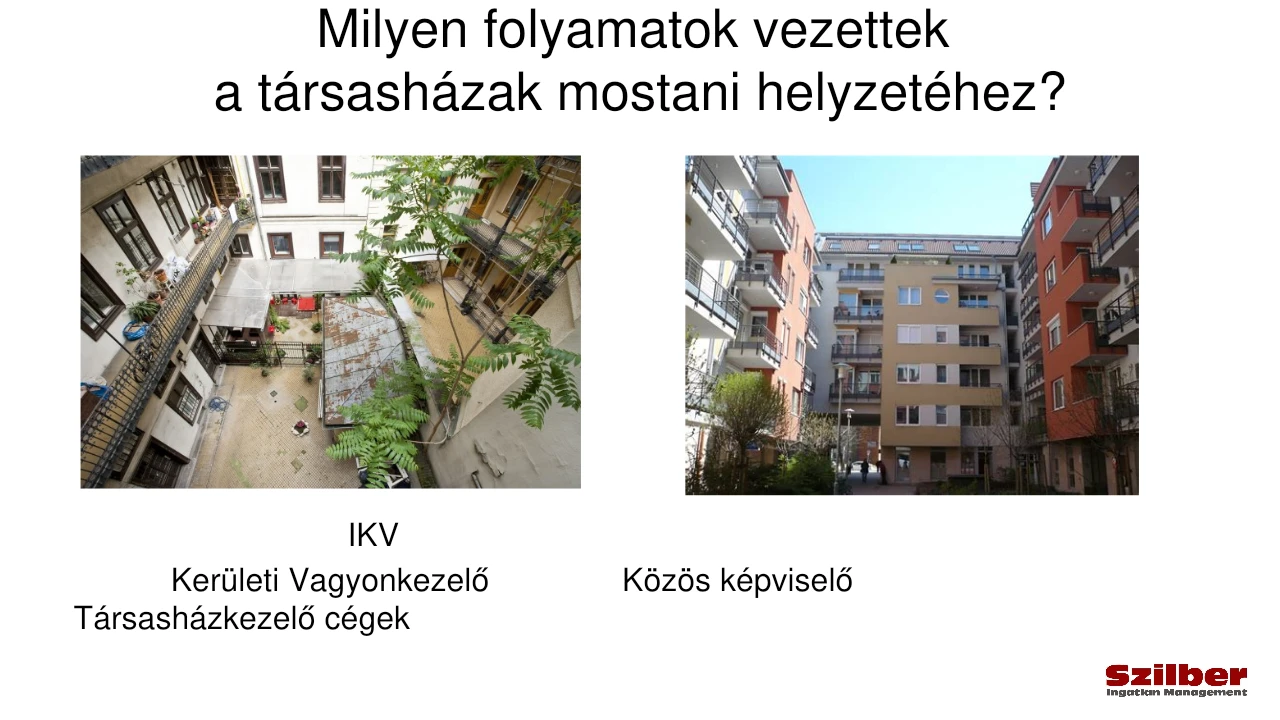
I began the presentation by illustrating the shift from earlier asset management arrangements through condominium representation to specialist management companies. A building’s current condition reflects decisions, completed tasks, and omissions from several periods. Its appearance alone cannot immediately establish who performed what work.
An inspection raises the question; operational records help explain the answer. An older building may have a professionally prepared renovation underway, while a tidy entrance can conceal unresolved tasks. Agents need to connect their impressions with planning and implementation.
Communication Is Also Professional Performance That Can Be Evaluated
“Communication with service providers”
From Slide 5 of the Original Presentation.
The management section treated communication among owners, the manager’s work, and provider relationships as separate assessment areas. In practice, they are connected. An owner’s report should become a task, and a provider’s work should become a trackable completed service.
Ask about the path of a specific case: how was the problem recorded, what action was taken, and what comes next? A long-running case does not itself prove poor management. What matters is whether the reason for the delay and the resolution plan are available. Answers should be factual and records retrievable by authorized people.
A Good Assessment Produces an Action List
“Based on the assessment, we formulate recommendations for the condominium”
From Slide 6 of the Original Presentation.
I put that sentence on the methodology slide. An assessment needs to go beyond recording a favorable or unfavorable impression. Its result becomes useful when it identifies where action is needed: planning, organizing records, or tracking cases.
That also gives buyers meaningful information. A gap that has been identified and is being addressed is different from the same issue remaining off the agenda for years. Known tasks and follow-up on decisions make the potential for operational improvement tangible.
What Has Changed in a Year?
“It is worth repeating the assessment every year”
From Slide 6 of the Original Presentation.
Regular reassessment matters because management is understood over time. Which previous tasks were completed? What remains open, and why? The following year’s assessment can revisit those questions, making condition assessment a way to track progress too.
At Etikus Ingatlanosok training sessions, participants can use these questions to improve the information they give clients. I value Viktória Sándor’s and Gábor Kirsch’s organizing work because it creates room for learning across specialties. Shared experience helps the entire profession. Thank you for including me as a speaker.
Source of the Quotations
This article draws on selected parts of my April 9, 2019 presentation. The source and slide number of each quotation are identified separately. The slides come from the original material. Learn more about the professional community on the Etikus Ingatlanos Website .
← Back to Professional Insights